
Bovet made pocket watches for the Emperor of China. That was two hundred years ago. Today they make wristwatches that convert into pocket watches and table clocks, covered in hand-painted miniatures, for prices between eighteen thousand and two and a half million dollars. It is the most gloriously excessive brand in watchmaking, and it knows it.
China
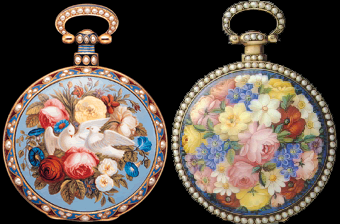
Édouard Bovet founded the company in 1822. He was from Fleurier, a watchmaking village in Switzerland, and he had a specific plan: sell to China. While other Swiss brands fought over European customers, the Bovet brothers set up production in Fleurier, a commercial office in London, and sales in Canton. They made ornate pocket watches decorated for Chinese taste: enamel painting, pearl ornaments, intricate engraving.
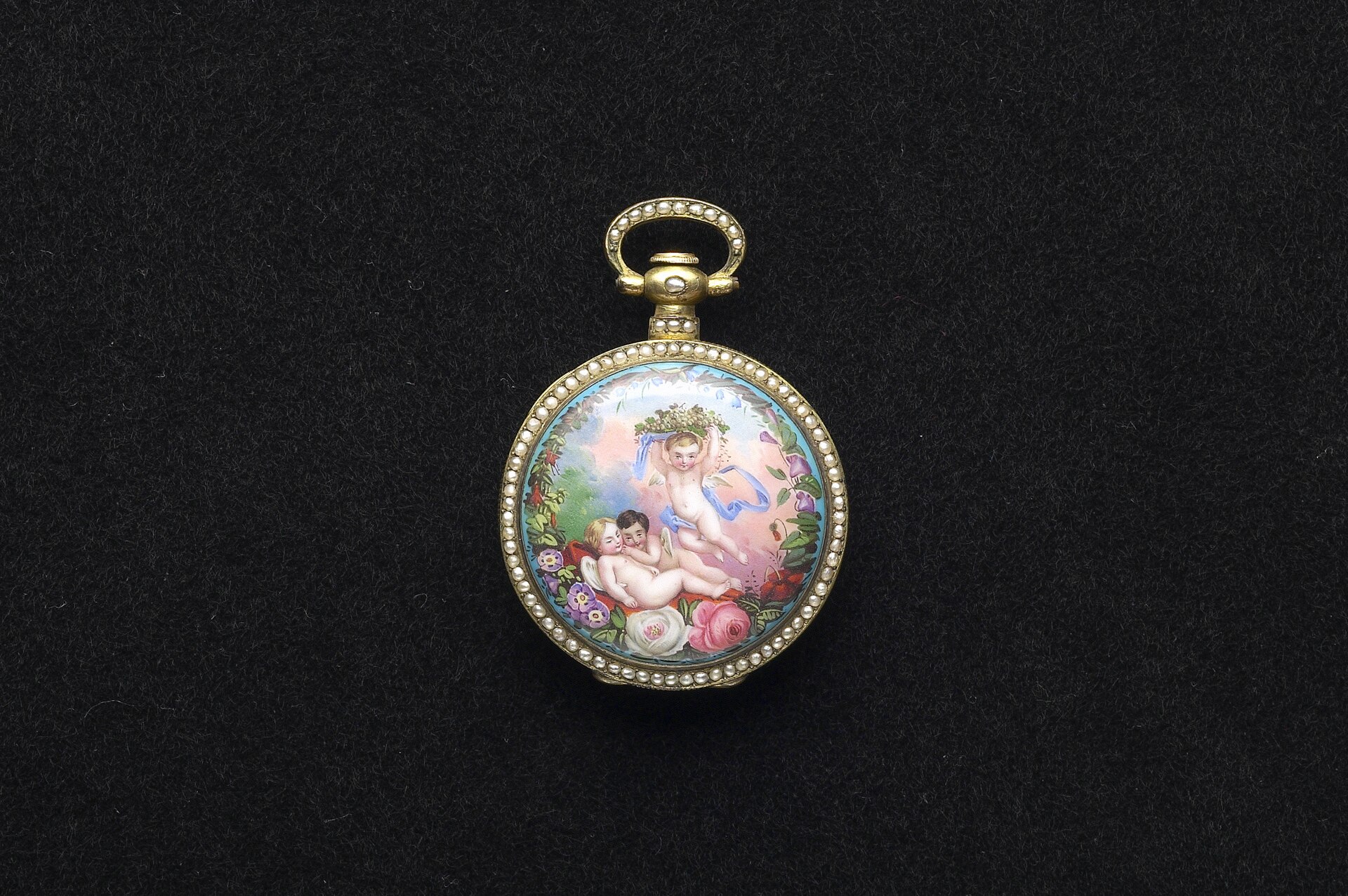
It worked beyond anyone’s expectations. The Chinese elite loved them. The Emperor commissioned pieces. In 1855 Bovet won a gold medal at the Paris Universal Exhibition for a pair of enamelled watches made for the Emperor of China. The brand got so embedded that the word “Bovet” became shorthand for a fine watch in Chinese. They were also among the first to put glass on the back of the case so you could see the movement, because when your movement is that decorated, hiding it would be a waste.
The long fade
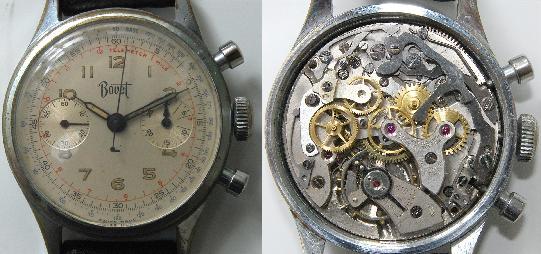
Pocket watches died. Wristwatches took over. Bovet, a company built entirely around elaborate pocket watches for a specific foreign market, had no second act. The brand drifted through the twentieth century, surviving on fumes and old patents. By the nineties it was a name in search of an owner.
Pascal Raffy
In 2001, Pascal Raffy bought Bovet. He was a retired pharmaceutical executive with no watchmaking background and a lot of money. What he did next was unusual: instead of flipping the brand or milking the name, he went all in. He bought the Bovet family’s castle in Môtiers and turned it into the headquarters. He built out manufacturing until Bovet controlled nearly everything: movements, cases, dials, painting, engraving. He filed patents and developed new calibers.
The signature invention is the Amadeo case, patented in 2010. It lets you convert the watch from wristwatch to pocket watch to table clock with no tools. It sounds like a gimmick. In person it is genuinely clever engineering, descended from a 1939 Bovet patent for an easel watch. Several models have dials on both sides, so flipping the watch gives you a second face.
The watches themselves are unapologetically ornate: miniature paintings done by hand, deep engraving, tourbillons with seven-day power reserves. In 2018 Bovet won the Aiguille d’Or, the top prize at the Grand Prix d’Horlogerie de Genève, for the Récital 22. The industry noticed.
Why it matters
Bovet is proof that the baroque still has a market. In an era when most luxury watches chase the same restrained aesthetic, Bovet makes things that look like they belong in a museum vitrine. That is a deliberate choice, not a failure of taste. Someone has to be the most decorative brand in the room.
It is also one of the more honest revivals. Raffy did not buy a name and slap it on generic watches. He bought the castle, built the manufacture, hired the artisans, and made things worthy of the history. Whether the market for two-million-dollar convertible pocket watches is large enough to sustain it is another question. But the watches are real.
Official site: bovet.com
Thanks for reading this.

